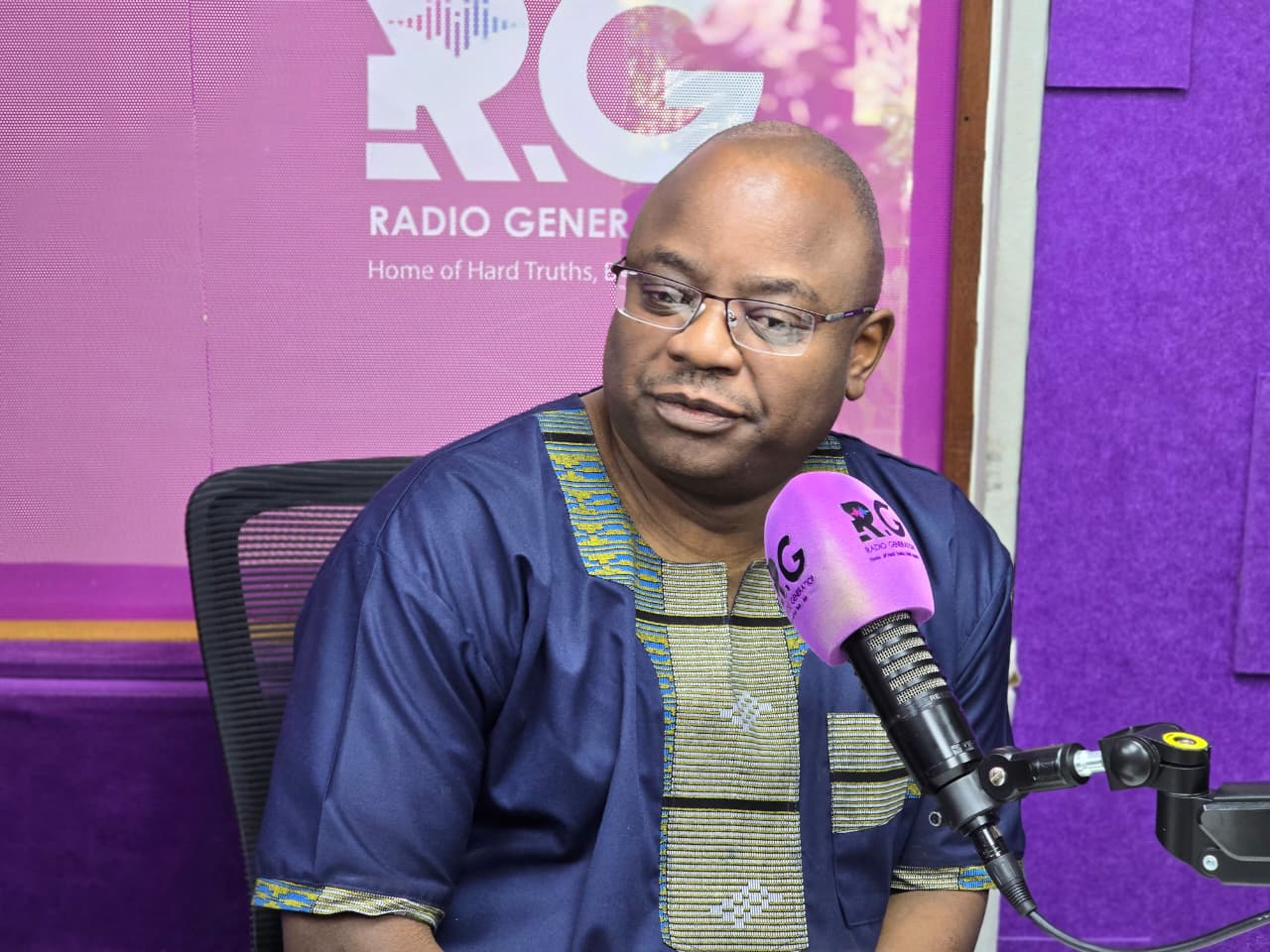
Presidential Political Analyst Dismas Mokua claims changing political positions is natural, warning that publicised external mediation in Kenya’s opposition politics could hand President William Ruto an advantage, while high turnover among elected leaders continues to weaken institutional memory and distort voter expectations.
Speaking on Tuesday on Radio Generation, he said flexibility is a sign of rational decision-making rather than weakness.
When asked whether former President Uhuru Kenyatta had supported the election of President William Ruto, “Well, I’m not very sure, but you did ask a very pertinent question,” he said.
The analyst affirmed that it is right to support political candidates and change one's mind because that is the best thing somebody can do.
According to Mokua, political choices evolve as circumstances, interests and ideas change.
“If you support a particular candidate or you support a particular position, then in the middle of the way interest change, or you confirm your biases, or biases change, or you just get new ideas, then you will revise your position,” he said.
Turning to reports of former Nigerian President Olusegun Obasanjo engaging Kenyan opposition figures such as Kalonzo and Uhuru Kenyatta, the analyst said the developments raise serious political questions.
He described Obasanjo as “a very solid man, highly respected in Africa,” noting that majority of African leaders tend to listen to General Obasanjo.
However, he criticised the optics of external involvement in Kenya’s opposition politics. “It would be very curious why you would want to be very key in trying to arrange the presidential campaign in Kenya,” he said, referring to claims that Obasanjo was brokering talks involving former President Kenyatta, Kalonzo Musyoka and other leaders.
Mokua warned that if such efforts became public, they could politically backfire. “If indeed the candidature has been crafted by President Obasanjo, then a walk in the park for President Ruto,” he said.
He argued that opponents would frame the process as foreign interference, asking, “Who is going to be running Kenya? Is it going to be Nigeria? Is it going to be Obasanjo or the United Kenya presidential candidates?”
The aspirant added that opposition leaders risk appearing disorganised if they are perceived to be negotiating power away from home.
“You guys cannot sit in Nairobi and agree on a presidential candidate,” he said, adding that critics would question why meetings were allegedly held “all the way to Nigeria.”
Mokua contrasted this with past situations where external mediation followed disputed elections.
He cited the 2007–2008 crisis, saying, “At that stage, elections have already taken place,” making international involvement different from pre-election coalition-building.
Beyond elite politics, Mokua highlighted voter behaviour as a defining factor in Kenya’s democracy.
He said Speaker Moses Wetang’ula’s claim that more than half of MPs may not return to office reflects broader trends.
“Kenya is 64,” he said, referring to studies showing high turnover among legislators, compared with 90 per cent retention in the US House of Representatives.
He argued that such turnover weakens governance. “You lose your institutional memory or capacity,” Mokua said, explaining that new MPs often arrive without handover notes and require extensive training to understand parliamentary procedures.
At the constituency level, Mokua said voters often prioritise personal engagement over legislative performance.
“The voters want you to attend funerals. They want you to attend birthdays. They want you to attend weddings,” he said, adding that many expect leaders to act “like an ATM.”
Yet he noted that some leaders succeed by understanding voter psychology rather than dispensing cash.
He cited examples of leaders who focus on development outcomes and visibility, saying, “There are some leaders such as James Orengo, who have understood the psychology of the voters.”
Ultimately, Mokua argued that Kenyan politics remains driven more by narrative and perception than policy.
“Politicking in this country has very little to do with telling people how it is you want to make their lives better,” he said, warning that without institutional continuity and clear accountability, the cycle is likely to persist into future elections.































Comments
Sign in with Google to comment, reply, and like comments.
Continue with Google